Nano Banana 2 Lite lands: $0.034 per 1,000 images, 4-second generations via the Gemini API
Google shipped Nano Banana 2 Lite (Gemini 3.1 Flash-Lite Image) on June 30, 2026 — its fastest, cheapest image model. Flat rate of $0.034 per 1,000 images, ~4-second generations, available now in the Gemini API and AI Studio. Here's what the price-per-image math changes if you generate at volume.
Google released Nano Banana 2 Lite — technically Gemini 3.1 Flash-Lite Image — on June 30, 2026, as the fastest and cheapest model in the Nano Banana family. (Source: Google, 2026-06-30) For anyone generating images at volume, the number that matters is the flat per-image price, which is low enough to change what’s economically viable.
Key facts:
- API model ID:
gemini-3.1-flash-lite-image. - Pricing: a flat $0.034 per 1,000 images. That’s roughly $0.000034 per image. (Source: Google Cloud Blog, 2026-06-30)
- Speed: images in as little as 4 seconds. Google says it is about 2.7× faster than Gemini 3.1 Flash Image. (Source: Google DeepMind)
- Availability now: Google AI Studio, the Gemini API, and the Gemini Enterprise Agent Platform. (Source: TechCrunch, 2026-06-30)
- It is generally available — not a preview. Consumer surfaces (AI Mode in Search, the Gemini app, NotebookLM, Google Photos, Stitch, Flow, Google Ads) are rolling it out too.
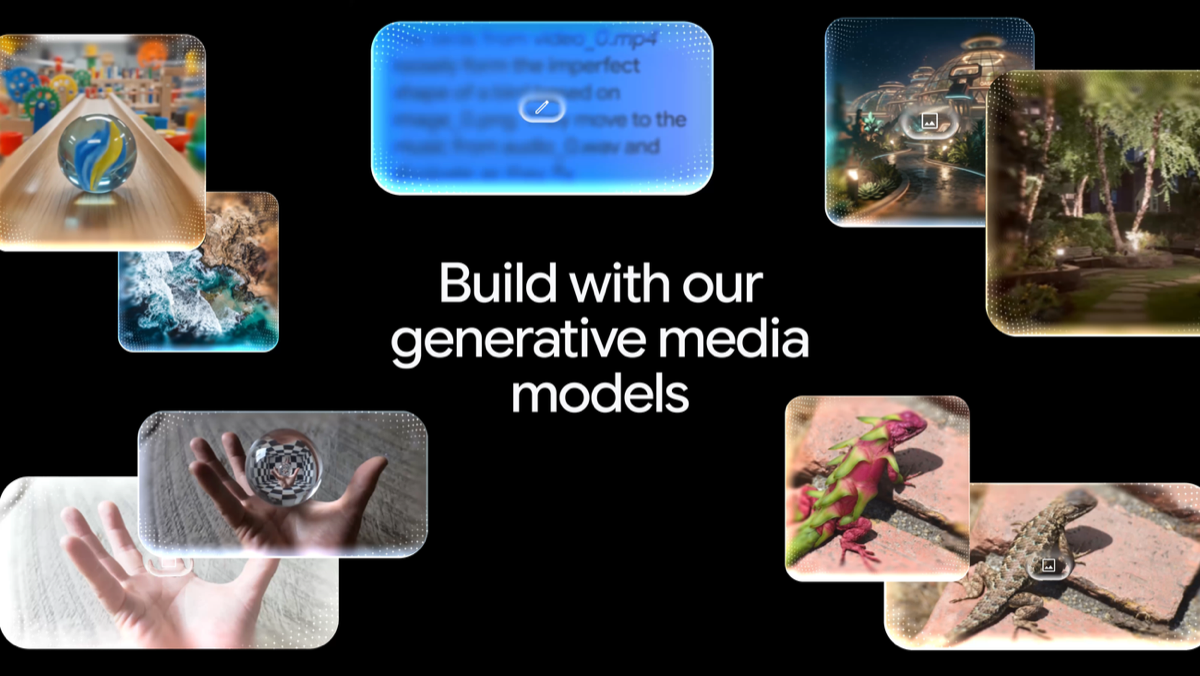
What’s actually different from the full model
Nano Banana 2 Lite is positioned as the high-volume sibling of Nano Banana 2. Google describes the full model as the “generalist workhorse” and Lite as optimized for high-volume workflows that need to run at a rapid pace. (Source: TechCrunch, 2026-06-30) Google also claims Lite closes much of the quality gap with the legacy Flash Image model, citing improvements in world knowledge (more accurate contextual scenes), character consistency across multiple generations, and text rendering and localization.
What this means if you’re building with image generation
- Per-image cost is now a rounding error. At $0.034 per 1,000 images, generating 100,000 images costs about $3.40. Workflows that were too expensive to run at scale — thumbnail variants, per-user personalization, ad-creative permutations — are suddenly cheap enough to brute-force.
- 4 seconds makes it interactive. Sub-5-second latency means you can put generation inside a user-facing loop (edit → preview → iterate) instead of a background job. That’s the use case Google is explicitly targeting.
- Pin the model ID for reproducibility. Call
gemini-3.1-flash-lite-imagedirectly rather than aliasing “the latest Flash image model,” since Google is shipping Nano Banana variants quickly and behavior differs between them. - Test character consistency before you commit. The headline improvement for product builders is identity stability across generations. If your app generates a recurring character or brand asset, run a real consistency check — that’s where the cheaper Lite tier historically fell down.
For context on the broader Gemini Flash family these models share infrastructure with, see our Gemini 3.5 Flash guide and how to use Gemini 3.5 Flash.
Sources
- Start building with Nano Banana 2 Lite and Gemini Omni Flash — Google (official announcement)
- Gemini 3.1 Flash-Lite Image — Google DeepMind (model page, speed claims)
- Google introduces Nano Banana 2 Lite — TechCrunch (pricing, availability)
Source: Google