Google's Antigravity 2.0 auto-update gutted the IDE — what builders should do
Google launched Antigravity 2.0 at I/O 2026 and pushed it as a silent auto-update on May 21, 2026. The desktop IDE was replaced by a chat-only prompt box, breaking active workflows. Here is what shipped, what broke, and the rollback / alternative options builders are taking.
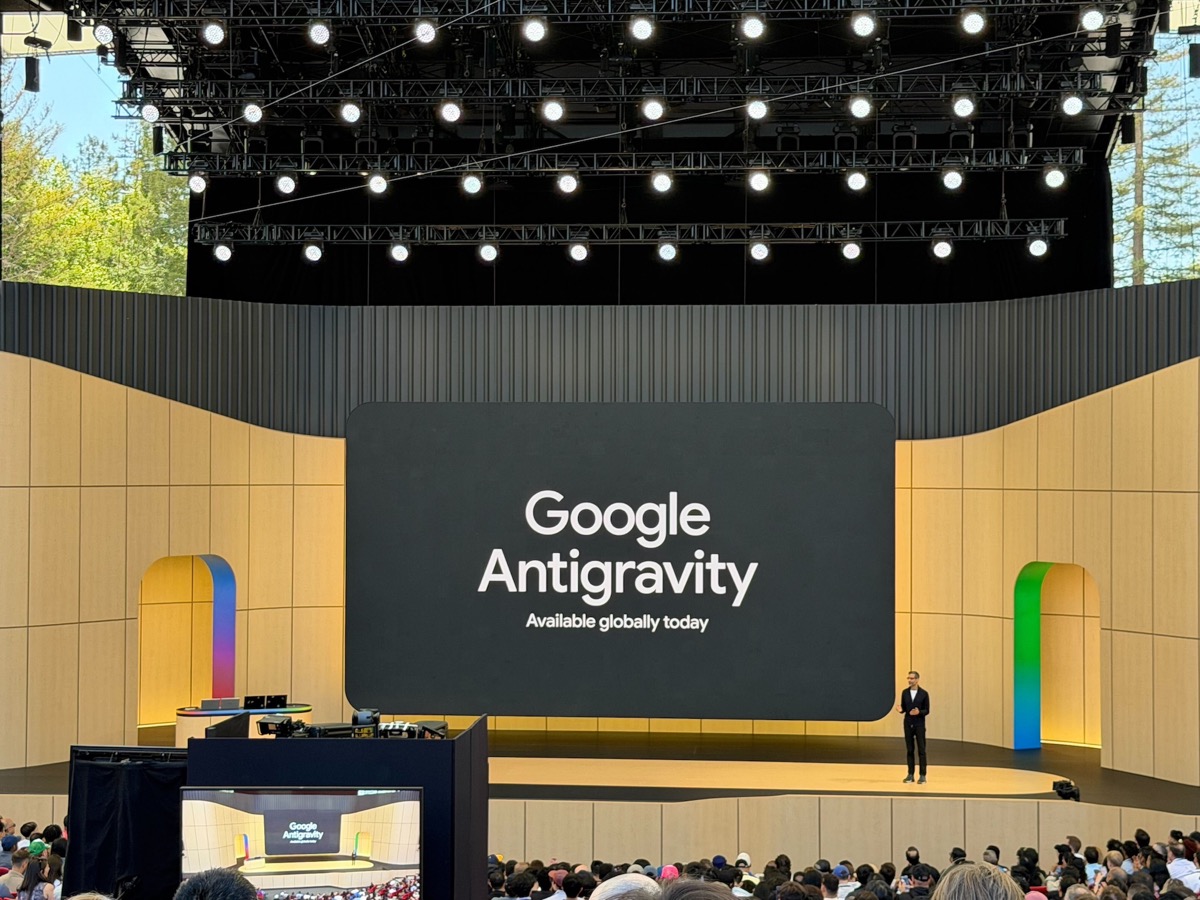
At Google I/O 2026 on May 19, 2026 Google announced Antigravity 2.0 — repositioning what used to be a single coding IDE as an “agent-first development platform” spanning a desktop app, a CLI, an SDK and a Managed Agents tier in the Gemini API. Two days later, on May 21, that change shipped to existing users as an automatic update — and the developer reaction has been the opposite of celebratory.
What actually shipped
Per Google’s own developer highlights post, Antigravity 2.0 includes:
- A redesigned desktop app for orchestrating multiple agents in parallel
- An Antigravity CLI that supersedes the existing Gemini CLI
- An SDK for building custom agents
- Managed Agents as a paid tier inside the Gemini API
- Integrations with Google AI Studio, Android, Firebase and Google Cloud
The new pricing tier is Google AI Ultra at $100/month (5x the usage limit of AI Pro) sitting alongside a reshuffled $200/month plan (20x AI Pro limits). That $100 tier is the same one we wrote about in our Gemini Spark tutorial the day of I/O.
Migration deadline you should put in the calendar: the existing Gemini CLI stops serving requests on June 18, 2026 for free, Pro and Ultra users, per Google’s transition notice. Only Enterprise paid-license customers keep access after that date.
What broke for existing IDE users
A widely shared post-mortem from developer 0xsid — which hit the top of Hacker News yesterday — documents the auto-update behaviour:
- The 2.0 installer ran without an opt-in and overwrote the legacy IDE
- The familiar editor was replaced with a “conversational prompt box” — i.e. a chat surface, not an editor
- Settings and chat history were wiped; an
antigravity-backupfolder was created but the legacy IDE could not be restored cleanly - Reinstalling 1.x from Google’s archive still loaded the 2.0 chat interface
- Independent reporting from PiunikaWeb and Techloy confirms the same pattern across Reddit’s r/Antigravity
What this means if you build on Google’s stack
If your day-to-day code editor was Antigravity 1.x: the agent-first 2.0 is genuinely a different product. Multi-agent orchestration and managed subagents are real upgrades for agentic workflows, but if you were treating Antigravity as a Cursor replacement (chat in the side panel, edits in the buffer), 2.0 is a downgrade for that exact use case.
If you have a Gemini CLI shell script in CI: rewrite it before June 18, 2026. The CLI binary and command surface are changing, not just the brand.
Roll-back and alternative options builders are taking
From the Reddit threads and 0xsid’s post, the rollback recipe people landed on is: uninstall all Antigravity components, manually delete the antigravity-backup folder, then sideload Antigravity 1.23.2 from Google’s release archive — with the caveat that there is no guarantee Google will keep serving 1.x binaries.
The cleanest “different vendor” exit is moving the IDE workflow to Cursor with Composer 2.5, which kept the in-buffer edit pattern many Antigravity users had built around. For builders who want to stay on Gemini for the model but leave the IDE shell, the Gemini 3.5 Flash API is unaffected by any of this — the Antigravity 2.0 changes are wrapper-only.
Honest caveat
Google has not commented publicly on whether the auto-update behaviour will be reversed or made opt-in. Treat the rollback path above as community-derived, not Google-supported.
Sources
Source: TechCrunch